

Analysis
““We know, there are known knowns; there are things we know we know. We also know there are known unknowns; that is to say, we know there are some things we do not know. But there are also unknown unknowns—the ones we don’t know we don’t know.” ”
Through the analysing your spend and property data, many of the “Unknown Unknowns” will move towards being “Known” and strategies can be developed to manage the risks.
- Is Strategic Sourcing working for you to deliver ongoing Value?
- Do you know who your key suppliers are?
- Who holds the power within the relationship or contract?
- Should you move to a relationship contract with some suppliers?
- What category strategies do you have in place to drive continuous improvement and value creation?
- Has WorkForce Planning and WorkSpace Planning teams been established and have strategies been aligned and agreed by the Senior Management and the Board?
- Do you have or are you making full use of systems for reporting and transactional management to drive down working capital across your Supply Chain?

Strategy
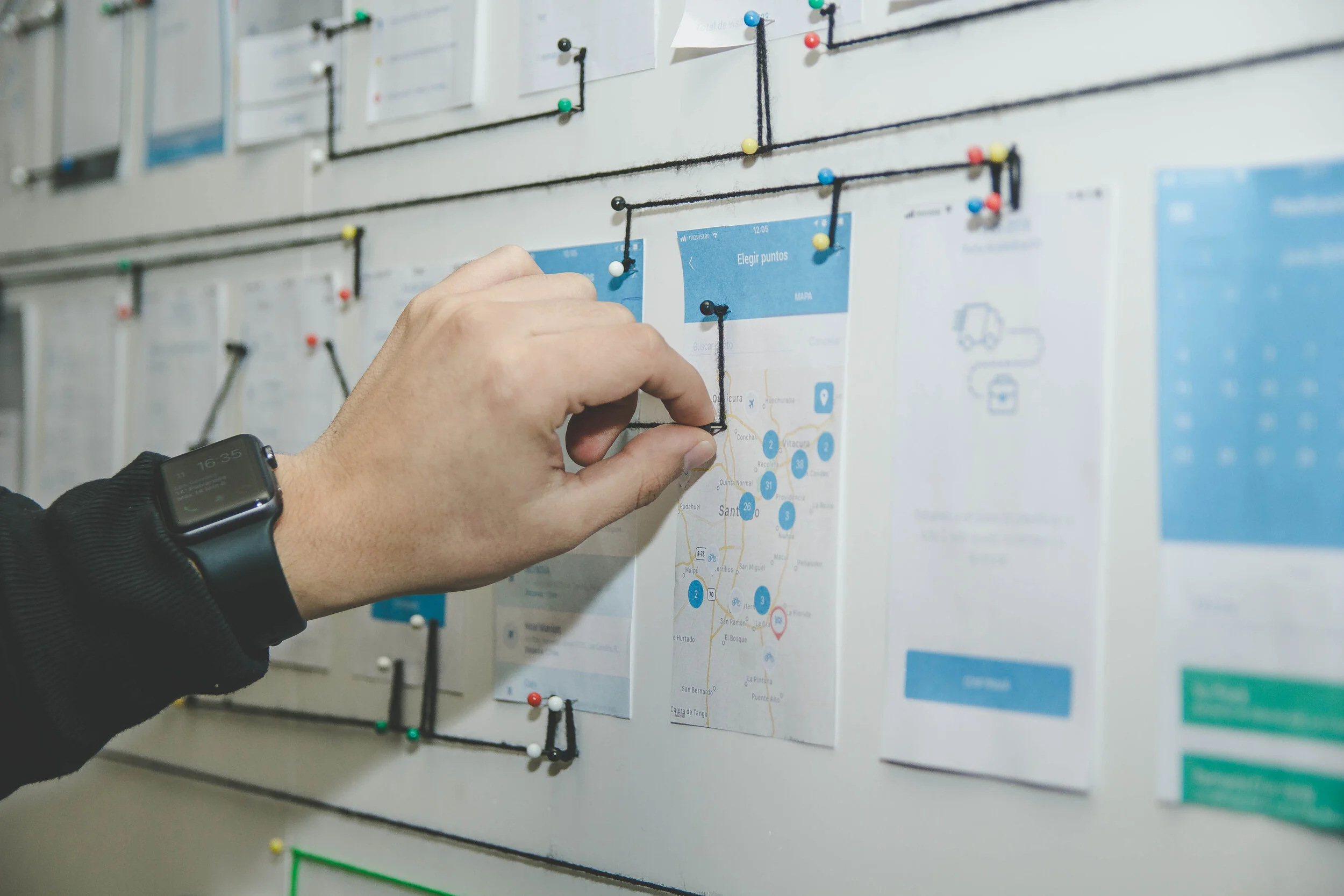
The strategic management process is about getting from Point A to Point B more effectively, efficiently and aligned with the board vision. Having a good strategy dictates “how” you travel the road you have selected, and effective execution makes sure you are checking in along the way to report progress or overcome challenges on the journey.
Gather the Facts
What management systems are essential to operate, develop and maintain the key capabilities?
Talk to key Stakeholders
What does success look like?
Identify the Strategic Objectives
Performance Management
What Capabilities are necessary to build and maintain outcomes?
Review/ Learnings
Develop
The skills and abilities of individual employees, together with an organisation’s structures, systems, processes and culture, are critical to an organisation’s ability to achieve its current and future objectives. While these are all drivers of organisational performance, in most cases there is generally no complete picture of the capability of individuals, systems nor processes within organisations.
Team - The capabilities that organisations need most have evolved with the markets and technology, but methods of building those skills have not and the growth of Software capabilities and the changing demands from the markets is leaving many organisations behind in their internal People Capabilities.
Systems - The ability of a system to execute a particular course of action or achieve a desired effect, under a specified set of conditions. Within many organisations, there is generally more than one system across the business which generates conflicting processes, complex reporting frameworks and confusion. Which is the singular point of truth across these many systems?
Processes – Businesses often move too fast to document their processes, especially following M&A’s. In the early stages of growth, the focus is more on getting things done by any means necessary than worrying about the A-to-Z's of how it gets accomplished. As a result, developing formal processes and systems tends to take a back seat. This creates significant risks within an organisation.

Integrate
To determine business requirements, a company needs to apply a structured process to ensure that user / service needs are properly identified and prioritised in alignment with the business objectives. Most of the effort for determining business requirements, however, will deal with people issues. Yet when the company is ready to begin integrating legacy and other needed systems, technology plays the critical role which is driven by clearly defined business processes and people.